
Plumbing in the Way? How to Handle Pipe Obstacles When Organizing Bathroom Cabinets
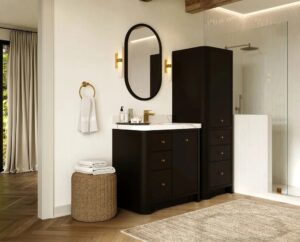
You find the perfect bathroom vanity but then find out the pipes of the vanity sit exactly where the drawers should go. It’s a common problem during bathroom updates.
Plumbing can limit storage, especially with wall-mounted, freestanding and drawer-style vanities. The good news is that you don’t always need to move the pipes for organizing bathroom cabinets.
Before buying a vanity, you should measure the drain, supply lines, valves and available cabinet space. Then choose a vanity that works around them. Smart organization of bathroom cabinets starts with the plumbing layout and not the cabinet itself. The aim is simple: keep useful storage without blocking access to essential plumbing.
Table of Contents
- Start With the Plumbing Rather Than the Cabinet
- Choose a Cabinet Style That Can Work Around Pipes
- How We Modify Cabinet Storage Without Ruining Functionality
- When Should You Reroute the Plumbing?
- Avoid These Common Bathroom Cabinet Mistakes
- What to Look For Before Buying a Bathroom Cabinet
- Concluding Words
- FAQs
Start With the Plumbing Rather Than the Cabinet
Map Out Where the Pipes Actually Run
Start by looking inside the existing cabinet. Note where the drain, water supply lines and shut-off valves sit. Measure their height, width and distance from the wall. Also check how far the pipes extend into the cabinet space.
Take a few photos before shopping. They can help the team at Bathroom Vanity Alphretta understand your space more clearly. Even similar layouts can have different pipe positions.
Check the Cabinet’s Interior Before Buying It
A vanity’s outside measurements tell only part of the story. The interior layout is just as important.
Check the cabinet’s depth, drawer positions, shelf placements and rear clearance. Fixed drawers can become a problem when the drain sits directly behind them. Compare these details with your plumbing measurements before ordering.

Choose a Cabinet Style That Can Work Around Pipes
Freestanding Vanities Offer More Flexibility
Freestanding vanities can provide useful flexibility when working around existing pipes. Some designs have open or partly open backs, making pipe access easier.
Adjustable shelves and removable panels can also help installers around unusual pipe positions. However, the actual layout still determines what will work.
A flexible cabinet isn’t automatically suitable for every bathroom. Always compare the cabinet design with your measurements.
Wall-Mounted Cabinets Create Different Clearance Needs
Floating vanities can leave open floor space below the cabinet. That can make a smaller bathroom feel less crowded and simplify floor clearance.
However, the plumbing still needs to enter the cabinet clearly. Measuring height can affect both pipe alignment and storage access. Wall-mounted designs also need secure support from the wall structure. Plumbing and mounting points should be checked before installation and organizing bathroom cabinets.
Consider Open or Reduced-Depth Storage
Sometimes using less cabinet depth is the easier answer. A shallower vanity can provide enough storage without interfering with pipes or nearby fixtures.
Open shelving can also work when full cabinet storage isn’t practical. Giving up some storage depth may be worthwhile if it keeps plumbing accessible. The best choice depends on what you need to store and how much space the bathroom provides.
How We Modify Cabinet Storage Without Ruining Functionality
We Use Cutouts for Pipes When Appropriate
At Bathroom Vanity Alpharetta, our professional installers create accurate cutouts for drains and supply lines. These openings are made large enough for the pipes without weakening the cabinet.
Shut-off valves are kept accessible after installation. You shouldn’t need to remove drawers or empty the cabinet just to reach them.
We avoid making large openings without checking the cabinet structure first. Because poorly placed cuts can weaken panels and leave unattractive gaps.
Work Around the Pipes With Smarter Storage
Plumbing doesn’t have to eliminate useful storage. The right drawer design can work around the space occupied by pipes. Depending on the cabinet, options may include:
- U-shaped drawers around the drain
- False drawers above the sink
- Shorter drawers below the plumbing
- Adjustable shelves
- Open storage sections
These solutions keep everyday items accessible while leaving the plumbing area clear. For example, a bathroom vanity with sink can use a shallow upper drawer for organizing bathroom cabinets with smaller items. Deeper storage can then sit below the pipework.
When Should You Reroute the Plumbing?
Sometimes, moving the pipes makes sense. This is more likely during a larger bathroom renovation where walls or flooring are already being opened. Rerouting can give you greater freedom when plumbing severely limits your vanity choices. However, it can also involve extra labour, wall access, and local requirements.
Don’t alter supply or drain lines yourself unless you’re properly qualified to do so. A licensed professional can assess whether relocation is practical. As a general rule, start with the simpler solution. If a suitable vanity modification solves the problem, a larger plumbing project may not be necessary.
Avoid These Common Bathroom Cabinet Mistakes
A few planning mistakes can create problems after your vanity arrives. Check these points before ordering:
- Buying based only on overall vanity width
- Ignoring interior clearance
- Blocking shut-off valves
- Assuming all bathrooms have standard pipe locations
- Ordering drawers without checking the drain position
- Leaving too little installation space
- Cutting cabinet panels before confirming measurements
- Choosing storage capacity over plumbing access
This quick checklist can save you from an expensive cabinet that looks right but doesn’t work.
What to Look For Before Buying a Bathroom Cabinet
Compare the following details before choosing or organizing bathroom cabinets:
- Cabinet width and interior depth
- Back-panel construction
- Drawer configuration
- Adjustable shelves
- Plumbing clearance
- Sink and drain position
- Shut-off valve access
- Installation requirements
Think about how the cabinet will handle your under-sink storage needs as well. A vanity cabinet should make daily use easier, not create another obstacle. If you’re also considering a bathroom vanity top replacement, check that the new top works with the sink and cabinet configuration. The countertop, basin, plumbing, and storage should work together.
Concluding Words
Plumbing obstacles don’t mean you need to abandon your preferred bathroom design. They simply need to become part of the planning process. Measure the pipes before buying or organizing bathroom cabinets. Then compare those measurements with the cabinet’s interior layout, drawer positions, and storage options.
Good organizing bathroom cabinets means making every part of the space useful while keeping essential plumbing accessible. If you’re unsure what finish is best for a bathroom vanity, consider that decision after confirming the cabinet’s size and layout.
For help finding a vanity that suits your space, visit Bathroom Vanity Alpharetta and compare options designed for practical bathroom storage. Visit us today.
FAQs
Can I install a bathroom vanity around existing plumbing?
Yes. Many vanities can work with existing plumbing when the interior layout provides enough clearance. Professional cutouts can also create space around pipes.
How do I hide pipes inside a bathroom cabinet?
Rear cutouts, open-back cabinets, adjustable shelves, and specially designed drawers can keep pipes concealed while maintaining access.
Should I move plumbing to fit a new bathroom vanity?
Not always. Cabinet modifications are often simpler when the plumbing only creates a small obstruction. Relocation may make sense during larger renovations or before organizing bathroom cabinets.