
How High-Grade Finishes Ensure Longevity for Any Custom Vanity
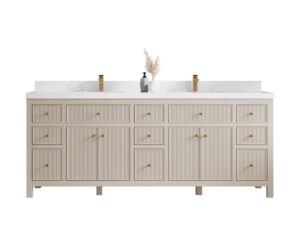
A custom vanity can look stunning when it first arrives, yet a poor finish can leave it looking tired much sooner than expected. Bathroom cabinetry faces constant moisture, splashes, cleaning products, stains, and daily contact.
The finish acts as a protective barrier between those challenges and the materials underneath. High-grade finishes help preserve the vanity’s appearance while reducing the effects of everyday wear.
Before ordering, look beyond colour and style. Ask about the finish type, moisture resistance, surface durability, application process, and maintenance requirements. Those details can make a noticeable difference years after installation.
Table of Contents
What Makes a Vanity Finish “High Grade”?
More Than Just a Good-Looking Surface
A vanity finish does more than provide colour or sheen. It creates a protective layer over the underlying material and helps shield it from everyday bathroom conditions.
Depending on the construction, different finishing systems may be used on solid wood, engineered wood, or painted cabinetry. The right system should suit both the material and its environment.
A finish that looks impressive under showroom lighting isn’t necessarily built for long-term bathroom use. Durability matters just as much as appearance.
Look for Consistency and Proper Application
Application quality can influence how well a finish performs. Even coverage, sealed edges, smooth surfaces, and properly treated joints help create more consistent protection.
Poorly finished edges can become vulnerable areas, particularly around sinks and frequently handled doors or drawers. Before ordering, ask what finishing system is used and how it is applied. A reputable manufacturer should be able to explain the process clearly.

How High-Grade Finishes Protect Against Everyday Bathroom Wear
Moisture Is the First Test
Bathrooms expose cabinetry to water and humidity almost every day. Without adequate protection, moisture can gradually affect vulnerable surfaces and materials.
A properly applied finish helps limit moisture penetration across exposed areas. Edges, doors, drawer fronts, and sections around the sink deserve particular attention.
This doesn’t make a vanity waterproof. It simply gives the underlying material a stronger layer of protection against normal bathroom exposure.
Resist Stains, Cleaning Products and Scratches
Toothpaste, cosmetics, soap residue, and cleaning products can all leave marks on vanity surfaces. Frequent wiping can also create gradual wear when the surface isn’t properly protected.
A durable finish can make routine cleaning easier while helping the surface retain its original appearance. However, no finish is completely damage-proof.
Using suitable cleaning products and avoiding harsh abrasives still matters. Good protection works best when combined with sensible maintenance.
Maintain Colour and Surface Appeal
A quality finish helps preserve the colour, sheen and texture you selected when buying the vanity. That matters even more with a custom piece. You may have chosen a particular timber tone or painted finish to complement your countertop, flooring, and fixtures.
The real test isn’t how the vanity looks on installation day. Consider how well the finish is designed to perform after years of regular use.
Why Finish Quality Matters When Choosing Custom Vanity Materials
The finish and the underlying material need to work together. Different cabinet materials can have different requirements depending on their construction and exposure to moisture.
Solid Wood and Natural Materials
Natural wood can bring warmth and character to a bathroom, but it still needs appropriate protection. A suitable finish can help reduce the material’s exposure to moisture and everyday wear while allowing its grain and character to remain visible.
The goal isn’t to hide the wood. A good finishing system should complement it while providing practical protection.
Painted and Engineered Surfaces
Painted cabinetry depends on proper preparation and consistent coverage. Strong adhesion helps the finish remain stable during everyday use.
Engineered materials also benefit from carefully finished surfaces and sealed edges. The material itself doesn’t determine the entire performance of the vanity.
Ask whether the coating and preparation process are suitable for bathroom conditions. Not every cabinet coating offers the same level of protection.
How to Evaluate a Finish Before You Buy
When comparing a custom vanity, ask the manufacturer or showroom a few direct questions:
- What finish system do you use?
- Is it designed for bathroom or high-moisture environments?
- How are edges, joints, and sink areas protected?
- Which cleaning products are recommended?
- What maintenance does the surface require?
- How is the finish prepared and applied?
Clear answers can tell you a lot about the manufacturer’s knowledge and approach to quality. Don’t compare finishes in isolation, either. Consider them alongside vanity dimensions, storage, hardware, construction, and overall design.
A beautiful finish is valuable, but it should be part of a well-built vanity rather than the feature doing all the heavy lifting.
Is a Premium Finish Worth Paying More For?
A higher-quality finish can be worth the additional investment when you’re buying a vanity designed to remain in place for years.
Better protection can help reduce premature cosmetic deterioration and preserve the appearance of the cabinetry. That can be especially important when you’ve invested in a tailored design.
Choosing the cheapest finish may save money initially. However, refinishing or replacing poorly protected cabinetry can become more expensive later.
If you’re investing in a custom piece, the protective finish should match the quality of its design and construction.
Protect the Investment Behind the Design
The longevity of a custom vanity isn’t determined by its appearance alone. The finish plays an important role in protecting the materials beneath it from moisture, stains, cleaning products, and everyday wear.
Before choosing a style, ask how the vanity is finished and whether that system suits your bathroom. Compare the protection, construction, maintenance requirements, and overall quality.
When you’re ready to explore options, Bathroom Vanity Alpharetta can help you find a vanity that combines thoughtful design with practical everyday performance. Visit us today.
FAQs
What finish is best for a bathroom vanity?
The best finish depends on the vanity material, bathroom conditions, desired appearance, and expected level of use.
How does a finish protect a custom vanity?
It helps protect exposed surfaces from moisture, stains, cleaning products, scratches, and everyday contact.
Does a high-quality finish make a vanity easier to maintain?
A durable, properly applied finish can make routine cleaning simpler while helping the surface retain its appearance.
What should I ask a vanity manufacturer about the finish?
Ask about the finishing system, moisture resistance, preparation, application process, maintenance requirements and recommended care products.