
How to Spot Water-Resistant Wood in Affordable Bathroom Cabinets Deals
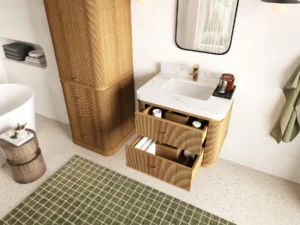
Many homeowners compare style and price when shopping for bathroom cabinets but overlook how well the cabinet handles moisture. That mistake can lead to swollen panels, peeling finishes, and costly replacements within a few years.
Not every cabinet marketed as water resistant is built to the same standard, and appearances alone can be misleading. Understanding what to look for helps you separate quality construction from clever marketing. If you’re comparing affordable bathroom cabinets deals, knowing how to identify genuinely moisture-resistant materials can help you make a smarter long-term investment.
Table of Contents
|
Why Water Resistance Matters More Than Most Buyers Realize
Bathroom cabinets face constant exposure to moisture. Choosing materials that can withstand these conditions helps preserve both appearance and performance over time.
Your Bathroom Is Tougher on Cabinets Than You Think
Bathrooms create a demanding environment for wood products. Steam from hot showers, water splashes around the sink, and daily humidity all place stress on cabinet materials. Poor ventilation can make the problem worse by trapping moisture inside the room.
Over time, exposure to moisture may cause:
- Swollen cabinet panels
- Peeling or bubbling finishes
- Warped doors
- Soft or weakened corners
- Mold around joints or edges
Even well-designed cabinets can deteriorate quickly if they are made from materials that are not suited to bathroom conditions.
Water-Resistant Doesn’t Mean Waterproof
Many buyers assume water resistant and waterproof mean the same thing. They do not.
Water-resistant cabinets are designed to slow moisture absorption and withstand normal bathroom conditions. However, standing water, persistent leaks or prolonged exposure to moisture can still cause damage.
Understanding this difference helps set realistic expectations. A quality cabinet performs well with regular use, but it still benefits from good ventilation and prompt cleanup of spills.
Materials That Hold Up Best in Moisture
The material beneath the finish has a major influence on how well a cabinet performs over time. Some options handle moisture far better than others.
Marine-Grade or Exterior Plywood Offers Better Long-Term Value
Marine-grade and exterior plywood are among the strongest choices for humid environments. Their layered construction resists expansion and helps the cabinet maintain its shape even when moisture levels fluctuate.
Quality plywood cabinets are often described using terms such as:
- Multi-layer plywood construction
- Exterior-grade plywood
- Moisture-resistant plywood core
These materials generally provide better long-term durability than many lower-cost engineered boards.
MDF Can Work, But Only With Proper Protection
Moisture-resistant MDF can perform well when it is manufactured specifically for bathroom use. The key is proper sealing. Look for cabinets with:
- Factory-sealed edges
- Fully coated surfaces
- High-quality painted or laminated finishes
Standard MDF without adequate protection absorbs moisture much more easily. Once water reaches the core, swelling and permanent damage can occur.
If you’re choosing a bathroom vanity with sink, check whether the sink cutout and surrounding edges have been sealed properly, as these areas are exposed to water more frequently than the rest of the cabinet.
Solid Wood Isn’t Automatically the Best Choice
Many buyers assume solid wood is always the premium option. In reality, performance depends on the timber species, construction quality, and protective finish.
Natural wood expands and contracts as humidity changes. Without proper sealing, even high-quality hardwood can develop movement over time.
Instead of focusing only on whether a cabinet is solid wood, look at how it has been built and finished. A well-constructed cabinet with quality sealing often performs better than one made from premium timber but finished poorly.
What to Check Before Buying Affordable Bathroom Cabinets Deals
The finish, construction and material details reveal far more than product photos. Spending a few extra minutes inspecting these features can help you avoid expensive problems later.
Inspect the Cabinet Finish Carefully
A quality finish acts as the first line of defence against moisture. Look for:
- Smooth, fully sealed exterior surfaces
- Protected edges and corners
- Coated interior panels
- No exposed raw wood or unfinished board
- Even color and texture across the cabinet
Small imperfections often become the first points where moisture enters.
Look Beyond the Product Photos
Professional product images rarely show construction details. Instead, read the specifications carefully to understand what the cabinet is actually made from.
Be cautious of vague descriptions such as “wood construction” or “premium wood materials.” These phrases do not identify the cabinet core or explain how the product has been protected against moisture.
If you’re also comparing bathroom vanities with tops, check whether the countertop and cabinet are designed to work together to minimize water reaching exposed joints and edges.
Check the Construction Quality
Strong construction contributes just as much to durability as the material itself. Look for features such as:
- Screwed or dowelled joints instead of only staples
- Moisture-resistant back panels
- Quality hinges and drawer runners
- Securely fitted doors and drawers
- Well-finished interior surfaces
Better construction helps cabinets stay stable despite years of daily use.
Smart Questions That Reveal Cabinet Quality
Asking a few simple questions can quickly separate well-built products from cheaper alternatives. Consider asking:
- What material is the cabinet core made from?
- Are all exposed edges factory sealed?
- Is the finish designed to resist bathroom moisture?
- Was this cabinet manufactured specifically for bathrooms?
- What warranty covers moisture-related defects?
A retailer that provides clear answers is usually more confident in the quality of its products.
In Summary
A low price may look appealing, but it should never be the only reason to choose a bathroom cabinet. Moisture-resistant materials, sealed finishes, and quality construction all play an important role in how well a cabinet performs over time. Before deciding between affordable bathroom cabinets, compare the materials, finish, and build quality as carefully as you compare the price.
At Bathroom Vanity Alpharetta, you’ll find bathroom cabinetry designed to combine lasting durability with everyday style, helping you invest with confidence. Visit us today.
Frequently Asked Questions
Which wood is best for bathroom cabinets with high humidity?
Marine-grade plywood and properly sealed hardwoods generally provide the best moisture resistance in humid bathrooms.
Are moisture-resistant MDF cabinets a good investment?
Yes. High-quality moisture-resistant MDF performs well when it has factory-sealed edges and durable protective finishes.
How can I tell if a bathroom cabinet is properly sealed before buying?
Inspect the edges, corners, interior panels and sink cutouts. Fully sealed, consistent finishes without exposed raw material usually indicate better moisture protection.