
How to Protect Your Solid Wood Bathroom Vanity from Moisture and Humidity
A solid wood vanity instantly transforms the look of a bathroom. It brings in texture and a depth that no other material can mimic. This is precisely the reason why a lot of homeowners go for it initially.
Still, wood is also more susceptible to changing with the environment it is in. For a bathroom that usually means being regularly subjected to steam humidity splashes, and moisture that gets trapped. Often, people hardly notice the damage as it accumulates from daily habits until the vanity appears dull, patchy, or worn out ahead of time.
Luckily, guarding a solid wood bathroom vanity against harm does not entail very high-maintenance procedures. The main component of long-term protection is recognizing the places where moisture tends to accumulate and making sure it is not allowed to sit there repeatedly over a period of time.
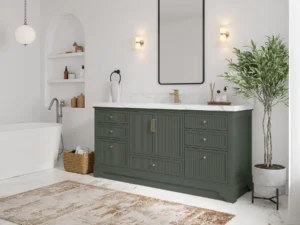
How to Protect Your Solid Wood Bathroom Vanity from Moisture and Humidity
Control Humidity Before It Settles Into the Wood
Most people focus on visible water while ignoring humidity. In reality, trapped steam is often what causes long-term wear inside bathrooms.
After a hot shower, humidity lingers in the bathroom longer than most people realize. Over time, that repeated exposure can weaken the finish and affect cabinet seams and edges.
This is why ventilation matters more than most people think.
A few simple habits help reduce trapped humidity significantly:
- Let the exhaust fan run for 15–20 minutes after showers
- Open a door or window whenever possible to improve airflow
- Avoid keeping the bathroom fully closed while steam is still trapped inside
- Wipe down excess condensation if the bathroom stays humid for long periods
Smaller bathrooms usually hold humidity longer because there is less airflow circulating through the space. In bathrooms with a single solid wood bathroom vanity, this becomes even more important because compact layouts tend to trap steam more easily around the vanity area.
Keep Water From Sitting on the Vanity Surface
Most damage on a solid wood bathroom vanity starts in very predictable areas:
- Around the faucet base
- Along sink edges
- Near countertop seams
- Around lower cabinet corners
- Near the vanity base where floor moisture collects
It is rarely one major spill that creates problems. It is repeated exposure in the same spots every single day.
One of the easiest ways to protect the vanity is simply preventing standing water from sitting there for long periods. After using the sink, quickly wiping around the faucet and sink edges makes a bigger difference than people expect.
The vanity base also gets damaged more easily than people expect. Damp bath mats, mopping moisture, and weak airflow near the floor can slowly affect the lower sections first. These small habits may not seem important day to day, but they are usually what determines whether the vanity still looks premium years later.
Protect the Finish Before the Wood Gets Exposed
The finish on a vanity is what protects the wood underneath from absorbing moisture directly. Once that protective layer starts wearing down, humidity and water can reach the raw material much faster.
That is why small signs should not be ignored.
Watch for early warning signs, like
- Dull patches near the sink
- Tiny bubbles in the finish
- Slight discoloration around edges
- Hairline cracks near seams
- Areas that feel rougher than the surrounding surface
Many homeowners make the mistake of aggressively cleaning these areas with strong chemical sprays or abrasive scrubbers. Unfortunately, harsh cleaners often weaken the finish even faster.
Resealing also matters more than people realize. You do not have to wait until the vanity looks heavily damaged. Refreshing the finish before it fully wears down helps maintain long-term protection and keeps the wood from absorbing excess humidity.
This becomes especially important in larger setups like a solid wood bathroom vanity 36, where there is more countertop exposure around the sink area and more surface constantly exposed to moisture.
Choose Materials and Designs That Handle Moisture Better
Not every solid wood vanity is built the same way. Some vanities are designed to handle bathroom conditions properly, while others focus more on appearance than durability.
When choosing a solid wood bathroom vanity, look beyond color and style alone. Construction quality affects how well the vanity handles years of humidity and daily use.
A few details make a noticeable difference:
- Properly sealed interiors and exterior surfaces
- Durable finishes designed for bathroom moisture
- Quality joinery that reduces separation over time
- Elevated designs that improve airflow underneath
- Strong hardware coatings that resist moisture exposure
A solid wood bathroom vanity 36 may look great initially, but weak moisture protection usually shows up much earlier in daily bathroom use.
Bottom Line
A solid wood bathroom vanity is one of the few bathroom materials that actually becomes more beautiful with time when it is cared for properly. But bathrooms constantly expose wood to humidity, steam, and moisture in ways many homeowners underestimate.
The key is not overprotecting it. It is understanding where moisture quietly collects and preventing repeated exposure from slowly wearing the vanity down.
If you are exploring better-built solid wood options for your bathroom, we can help at Bathroom Vanity Alpharetta. Our team can guide you toward vanity styles and materials designed to hold up beautifully in real bathroom conditions, not just showroom displays.
Frequently Asked Questions
Does humidity damage a solid wood bathroom vanity?
Yes. Constant humidity can slowly affect the wood and protective finish over time, especially if airflow is poor and moisture remains trapped inside the bathroom regularly.
How do you protect wood around the sink area?
The best approach is preventing water from sitting there repeatedly. Wiping around the faucet base and sink edges after use helps reduce long-term moisture exposure.
How often should a solid wood vanity be resealed?
It depends on usage and humidity levels, but if the finish starts looking dull or uneven, it may be time to refresh the protective seal before moisture reaches the wood underneath.
Is a single solid wood bathroom vanity good for smaller bathrooms?
Yes. A single solid wood bathroom vanity works very well in smaller bathrooms, especially when there is proper ventilation to reduce trapped humidity in compact spaces.
What cleaners are safe for solid wood bathroom vanities?
Gentle, non-abrasive cleaners and soft cloths are safest. Harsh chemical sprays and rough scrubbers can weaken the protective finish over time.